
Make the Aisles Feel Lighter
We’re exploring reducing choice overload in grocery shopping, turning crowded shelves into calmer, faster decisions. With insights from Hick’s Law and the famous jam experiment, plus practical routines you can try today, you’ll spend less energy comparing and more time enjoying food that fits your plans.


Why Too Many Options Feel So Heavy
When assortments explode, your brain pays a tax: every extra SKU adds decision time and doubt. Hick’s Law predicts slower choices as options rise, while willpower drains under fluorescent aisles. Understanding these frictions helps you trade exhausting comparisons for simple, confident picks that still meet your standards.
Plan Before You Step Inside
Preparation shrinks landscapes that might otherwise sprawl for miles. A two-minute menu sketch, a segmented list, and a spending anchor reframe the store into a short mission. Precommitment turns shelves into checkpoints, not debates, so you pass quickly, notice fresher produce, and arrive home earlier.

Tame the Shelves With Simple Rules
Rules transform oceans into swimming lanes. Adopting quick heuristics—middle option bias, two non-negotiable nutrients, or a house-brand default—can slash comparisons without sacrificing quality. By turning attributes into yes/no gates, you glide forward, spend less, and still leave with meals you’ll proudly cook.
Good–Better–Best in Under a Minute
Scan the set, discard extremes, and focus on the middle choice that meets your criteria. This leapfrogs decoy traps and prestige illusions. Add two checks—unit price and fiber or protein—and decide. A minute saved here compounds across aisles into a remarkably lighter trip.
Front-of-Pack Filters
Ignore splashy claims and search the label corner for hard numbers first. Pick the SKU that clears your preset thresholds on sugar, sodium, and fiber, then stop. Facts over slogans shrink re-evaluation loops, nudge consistency, and protect energy for cooking something genuinely satisfying later.
Default to Trusted Lines
Choose a reliable store brand or producer for staples and stick until a real need appears. This saves minutes weekly and stabilizes taste, price, and nutrition. When novelty beckons, audition just one challenger against your default, then either promote it or happily return.
Reorder Is a Memory Prosthetic
Past baskets reveal what actually worked. Favor the reorder button for staples and let your app pre-fill trusted quantities. You protect attention for produce and proteins, where freshness matters, while keeping pantry basics boring, cheap, and reliably satisfying week after week without draining focus.
Filters, Not Infinite Scroll
Start with price range, customer ratings, and nutrition toggles, then sort once. If nothing clears, postpone the decision instead of widening the search. Narrowing beats wandering because energy saved now fuels cooking, exercise, or rest, rather than evaporating inside a grid of nearly identical options.
Pickup as a Nudge
Scheduling curbside shortens browsing windows and blocks endcap temptation. With a list-driven digital cart and a pickup time, you commit to your earlier, calmer self. The car becomes a quiet checkpoint where decisions finish, not begin, and snacking impulses lose their loudest megaphone.
Design a Calmer Route Through the Aisles

The Quiet Hour Advantage
Fewer bodies mean fewer pauses, pitches, and detours. Shopping early morning or late evening grants smoother flow, better staff access, and cooler air around perishables. With interruptions trimmed, working memory recovers, and those tricky comparisons shrink into breezy confirmations rather than spirals demanding fresh, exhausting analysis.
Micro-Baskets and Time Boxes
A smaller basket limits impulse capacity and accelerates movement; pairing it with a firm twenty-minute window injects urgency without stress. You gather essentials, ignore side quests, and exit proud. Constraints aren’t punishments—they simply transform intention into motion before temptations orchestrate their expensive, meandering parade.
Aisle Avoidance and Anchors
Not every lane deserves a visit. Mark two anchor shelves per category—the dependable oatmeal, the familiar olive oil—and beeline there when needed. Skip seasonal mazes unless preplanned. Repetition reduces doubt, so the store begins to feel mapped, friendly, and quiet even when bustling.
Practice, Reflect, and Share What Works
Skills grow through small loops. Log two wins and one snag after each trip, compare receipts monthly, and note meals that delighted without drama. By tracking relief, not just savings, you reinforce progress and inspire others who crave calmer groceries but worry change will feel restrictive.
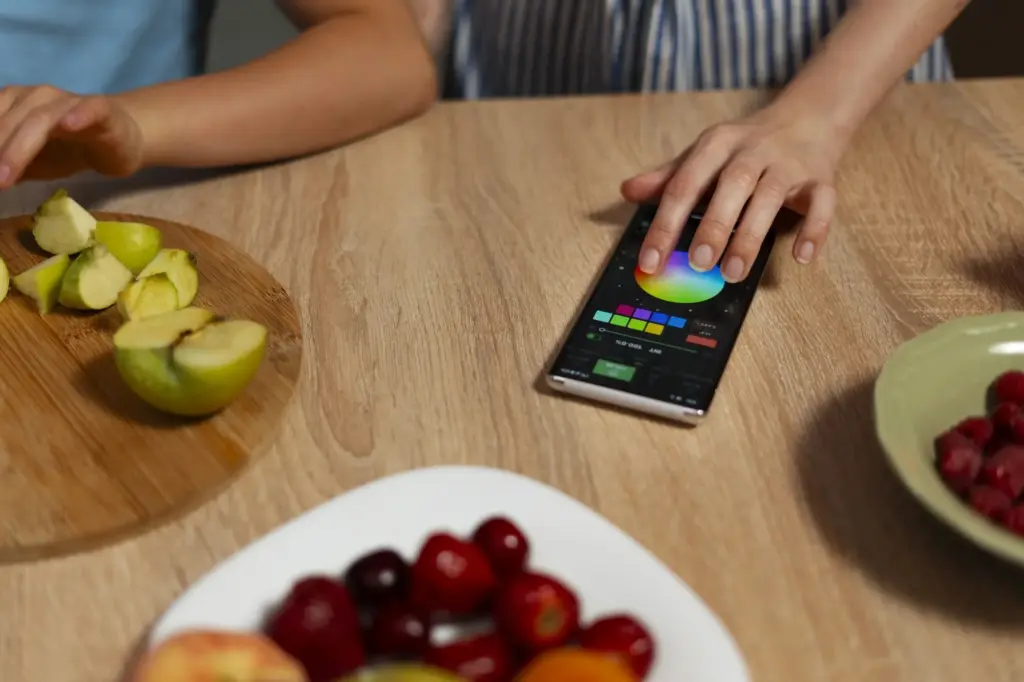
A Five-Minute Debrief After Checkout
On your phone, jot what stalled, what flowed, and one rule to keep. Did you wander? Did filters help? Next time, test a tighter cap or a clearer list note. Five minutes now makes next week’s twenty shorter, kinder, and predictably more satisfying.

Small Experiments, Big Relief
Treat each visit like a humane trial. For one category, try unit-price first; for another, lock a brand for a month. Keep what eases effort and scrap the rest. Progress accumulates quietly until the store feels navigable, generous, and refreshingly free of nagging second-guessing.
All Rights Reserved.